Read The Latest News From Us
Blog Details


Shop 13 to 15, Shri Hanuman Nagar, Jaipur, Rajasthan, 302013, India
info@saakaarorganicindia.com

Read The Latest News From Us

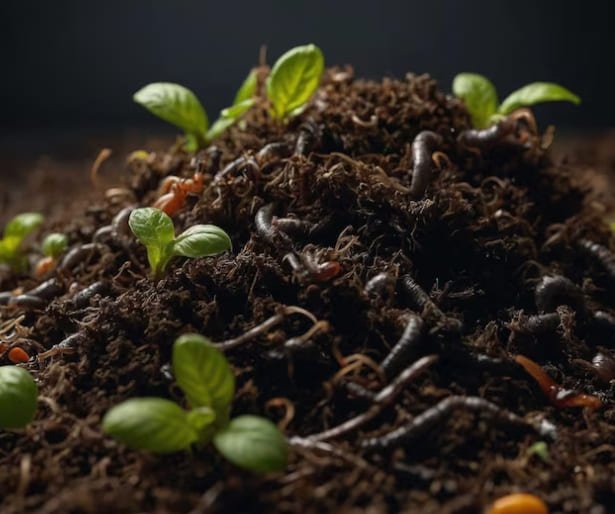
Rural India is home to over 65% of the nation's population, yet it faces persistent challenges of unemployment, migration, and economic stagnation. Vermicompost production is emerging as a powerful catalyst for rural transformation — creating sustainable livelihoods, reducing waste, and building self-reliant village economies. At SOIL, we have seen firsthand how a simple earthworm can change the fortune of an entire community.
Vermicompost is the product of organic waste decomposition by earthworms, resulting in a nutrient-rich, microbial-active fertilizer that dramatically improves soil fertility. But beyond its agricultural value, vermicompost production represents a complete rural enterprise — from raw material collection to processing, packaging, marketing, and distribution. Each stage of this value chain creates employment and income opportunities for village residents.
The Economics of Vermicompost: A Viable Rural Business
A single vermicompost unit can be established with an investment as low as ₹15,000-₹25,000, making it accessible to small farmers and rural entrepreneurs. A well-managed unit of approximately 100 square feet can produce 2-3 tonnes of premium vermicompost every 45-60 days. At market rates of ₹8-₹15 per kilogram, this translates to a monthly revenue of ₹5,000-₹15,000 per unit — a significant income boost for rural households.
What makes vermicomposting particularly attractive for rural areas is the availability of raw materials. Cow dung, agricultural residues, vegetable waste, and food scraps — all readily available in villages — serve as the feedstock for earthworms. This creates a circular economy where waste becomes wealth, and every farm becomes a potential production unit.
When a young person in a village starts a vermicompost unit, they don't just create a business — they create a model that inspires neighbours, transforms local farming practices, and builds a community resilient to economic shocks.
Women Empowerment Through Vermicompost Enterprise
One of the most significant impacts of vermicompost production in rural India has been the empowerment of women. Across the country, women's self-help groups (SHGs) have taken up vermicomposting as a collective enterprise, generating independent income and building financial confidence. The process — which involves feeding, monitoring, harvesting, and packaging — is well-suited to home-based or small-scale operations.
Women SHGs operating vermicompost units report an average additional income of ₹3,000-₹8,000 per month, providing financial independence and decision-making power within households.
Training programs conducted by organizations like SOIL equip women with vermicomposting techniques, quality control methods, and basic marketing skills needed to run a successful enterprise.
The collaborative nature of SHG-based vermicomposting strengthens community bonds while creating a sustainable model of rural women's entrepreneurship.
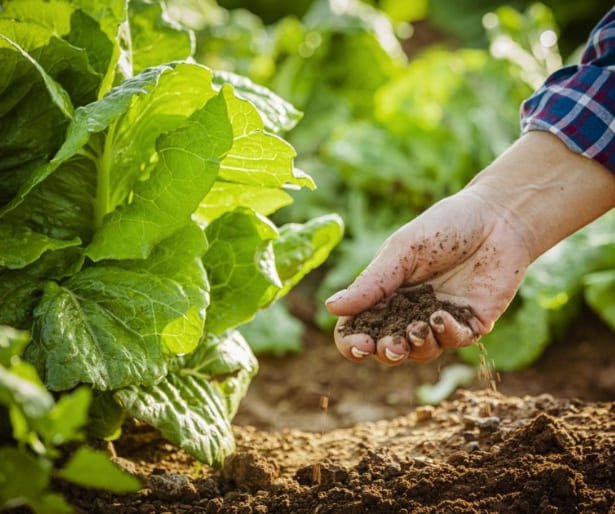
SOIL's franchise model extends this impact by creating structured vermicompost production hubs in villages. Each franchise unit serves as a centre for training, production, and distribution — empowering multiple families within a community. By connecting rural producers with urban markets through our network, we ensure that the economic benefits of vermicomposting reach the people who need them most.
Beyond direct income, vermicompost units create ancillary employment opportunities. Village youth are employed in transportation and logistics. Local artisans craft packaging materials. Small retailers stock and sell the finished product. This ripple effect multiplies the economic impact of each vermicompost unit across the entire local economy.
Environmental Benefits: A Double Dividend
The rural opportunity created by vermicomposting comes with a powerful environmental bonus. Vermicompost units divert organic waste from landfills and open burning — two major sources of rural pollution. By converting agricultural residues and cow dung into valuable compost, villages reduce their environmental footprint while improving their agricultural productivity.
The compost produced replaces chemical fertilizers, reducing groundwater contamination and soil degradation. Farms that switch to vermicompost-based organic farming report improved soil health within 2-3 growing seasons, with better water retention, increased earthworm activity in the soil, and stronger crop root systems. This environmental restoration creates a foundation for long-term agricultural sustainability.
At SOIL, our mission is to scale this impact across India's villages. Through our franchise network, training programs, and community partnerships, we are building an ecosystem where vermicompost production becomes a mainstream rural enterprise. Every unit we establish creates jobs, enriches soil, and strengthens the rural economy — proving that environmental sustainability and economic prosperity are not competing goals, but complementary ones.

Saakaar Organic India Lakshya Pvt. Ltd.
Transforming Indian agriculture through organic farming, vermicompost enterprise, and rural empowerment — one village at a time.
10 September 2026
Why Organic Farming Is India's Sustainable Future Revolution05 September 2026
How Vermicompost Creates Rural Opportunities01 September 2026
Waste To Wealth Through Sustainable Farming