
Why Organic


Shop 13 to 15, Shri Hanuman Nagar, Jaipur, Rajasthan, 302013, India
info@saakaarorganicindia.com
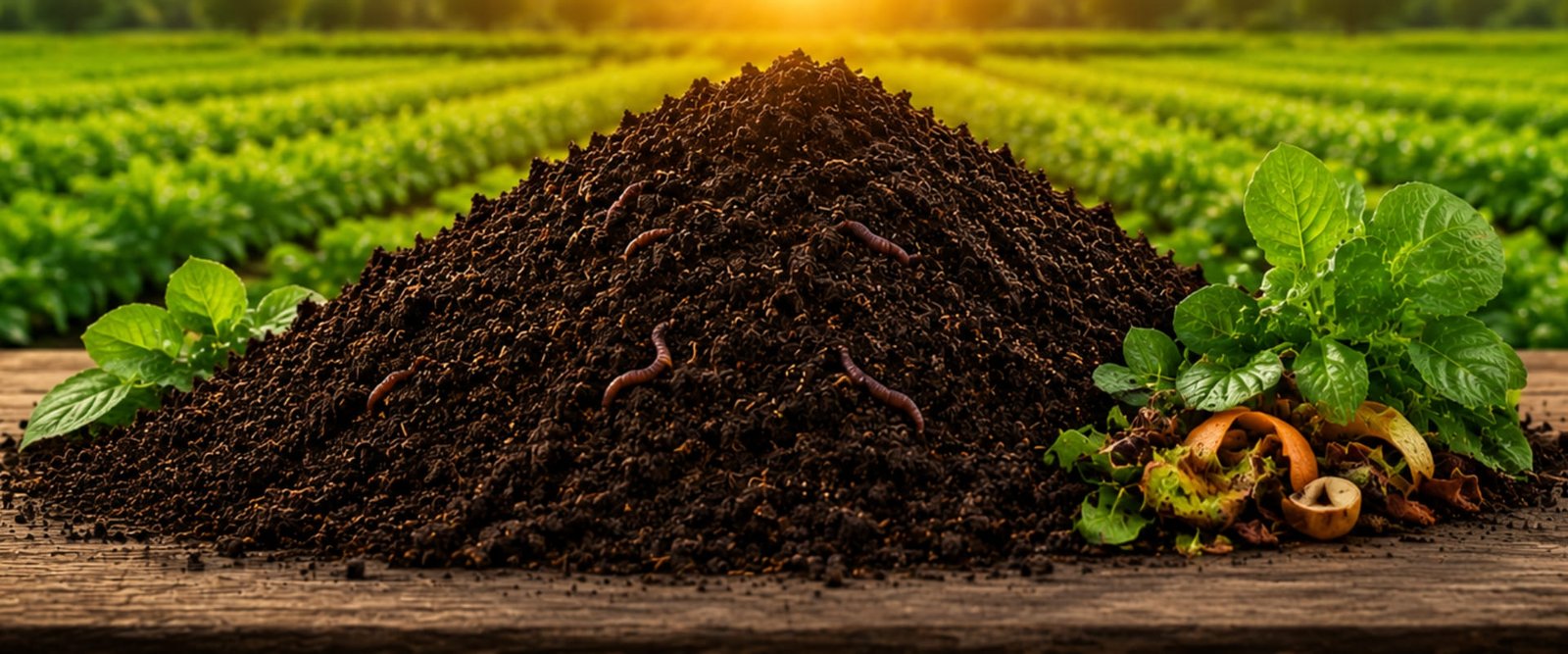



Healthy Soil. Greener Future.
Building healthier soil, cleaner environments, and sustainable farming practices for a greener future through organic methods that protect biodiversity, improve soil fertility, reduce harmful chemicals, conserve water resources, and support healthier food production while empowering farmers with eco-friendly and sustainable agricultural solutions.
Restores soil health naturally using compost, vermicompost, and crop rotation techniques that nurture beneficial microbes.
Prevents toxic contamination and improves water retention for future generations through chemical-free farming.
Supports a thriving ecosystem by eliminating harmful chemicals and protecting natural flora and fauna.
Growing adoption of organic and natural farming has created strong demand for vermicompost as a core soil nutrient.
Vermicompost plays a key role in converting organic waste into valuable manure, supporting large-scale waste initiatives.
Agri-startups and FPOs use vermicompost as a scalable, eco-friendly input for sustainable agriculture models.
Central and State Government schemes promoting soil health and natural inputs create consistent bulk demand.
Corporates investing in ESG use vermicompost for plantation drives, soil restoration, and development projects.
Premium vermicompost is extensively used in commercial nurseries and urban landscaping for healthy plant growth.
Creating Rural Jobs Through Sustainable Organic Business Opportunities
Employment Generation
Empowering farmers, youth, and rural communities with sustainable income, entrepreneurship, and organic farming opportunities.

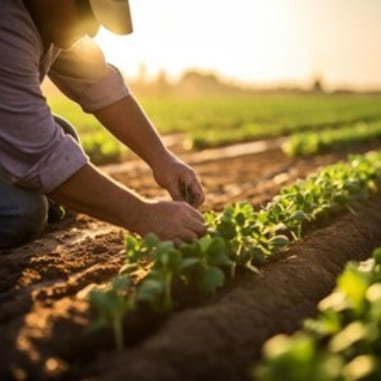
SOIL creates village-level employment opportunities through vermicompost production, waste collection, compost harvesting, packaging, and organic farming activities, helping farmers, women, and youth earn stable income while reducing migration from rural areas to cities.

The vermicompost business supports indirect employment through transportation, raw material supply, packaging services, equipment manufacturing, and local trade networks, strengthening rural economies and creating multiple sustainable income opportunities across the agricultural supply chain.

SOIL empowers individuals to become self-reliant entrepreneurs by providing franchise opportunities, business guidance, technical training, and long-term support for starting profitable vermicompost and organic farming businesses with sustainable growth potential.


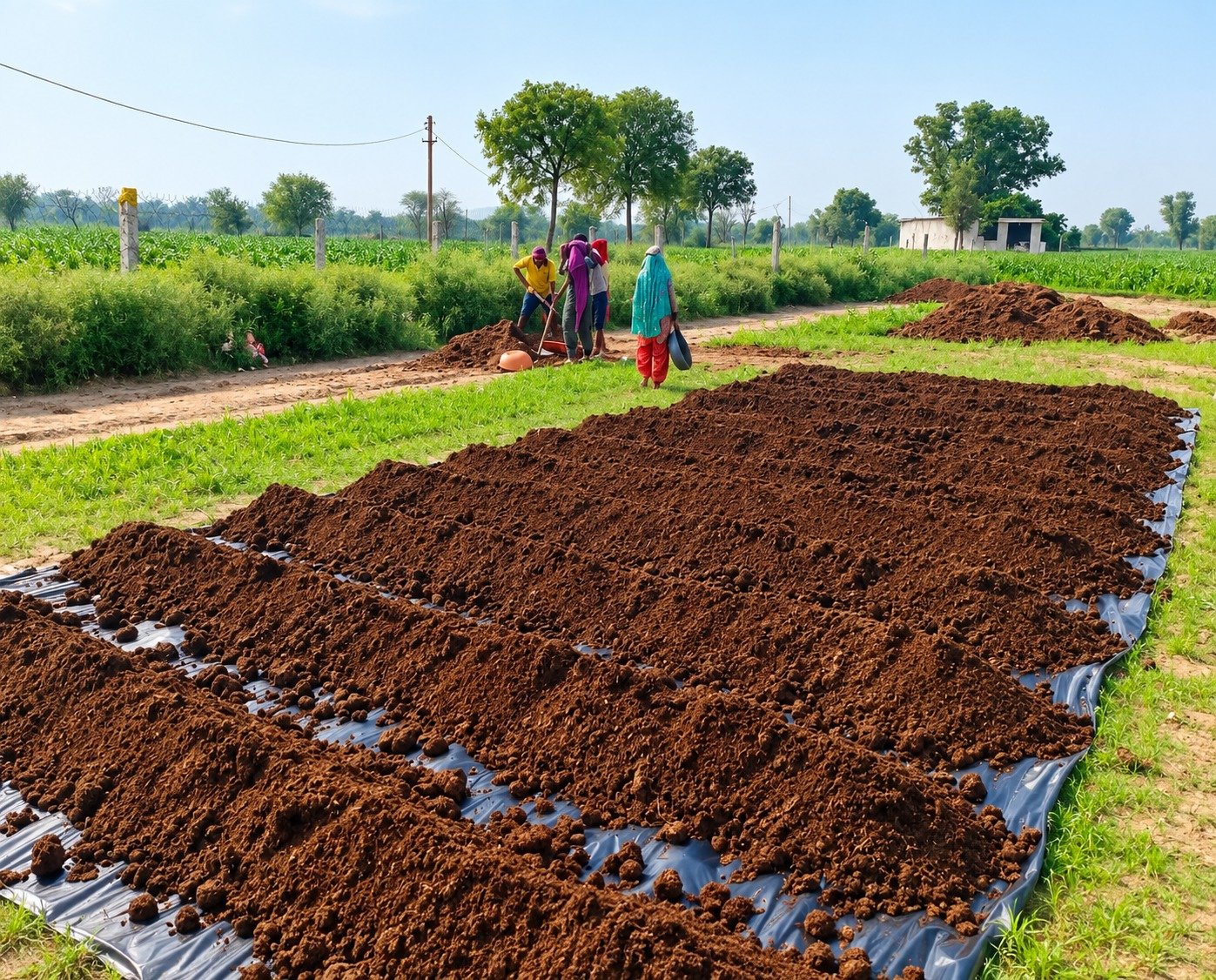

Why Vermicompost Is A Smart & Sustainable Business Opportunity
COMPETITIVE ADVANTAGE
It has strong competitive advantages as it works on a waste management model by converting organic waste into valuable fertilizer, helping reduce environmental pollution.
It has rising market demand due to the growing shift toward organic farming and chemical-free food.
The cost of production is low because raw materials are easily available and require minimal infrastructure.
Vermicompost also conserves biodiversity by improving soil life and supporting beneficial organisms.
Overall, it is an eco-friendly and sustainable business that promotes long-term soil health, environmental protection, and profitable green entrepreneurship.