Read The Latest News From Us
Blog Details


Shop 13 to 15, Shri Hanuman Nagar, Jaipur, Rajasthan, 302013, India
info@saakaarorganicindia.com

Read The Latest News From Us

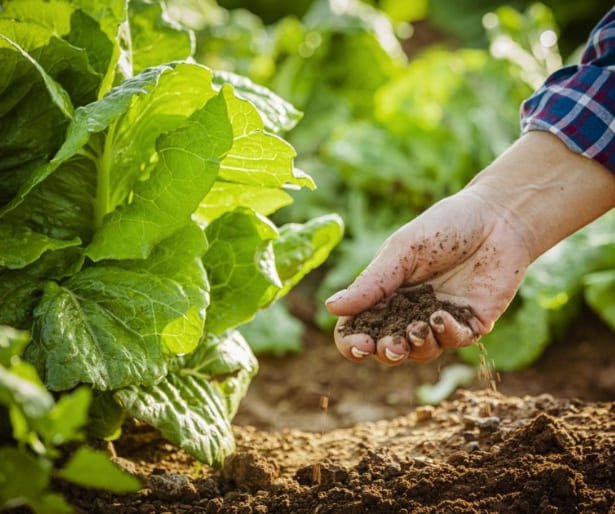
India stands at a critical crossroads. Decades of chemical-intensive agriculture have boosted short-term yields but severely degraded our soils, contaminated our water, and weakened the nutritional value of our food. Organic farming is no longer a niche alternative — it is rapidly becoming the backbone of India's sustainable agricultural future. At SOIL (Saakaar Organic India Lakshya), we believe this revolution must start at the grassroots, one village at a time.
The organic farming movement in India is gaining remarkable momentum. According to recent data, India has over 4.4 million hectares under organic cultivation, making it one of the largest organic farming nations in the world. But the real story lies beyond the statistics — it lies in the hands of smallholder farmers who are rediscovering the traditional wisdom of nurturing the soil, not exploiting it.
The Chemical Trap: Why India Must Act Now
After the Green Revolution of the 1960s and 70s, India became heavily dependent on synthetic fertilizers and pesticides. While this solved immediate food security concerns, it created a long-term crisis. Indian soils have lost an estimated 30-40% of their organic carbon content. Rivers and groundwater sources are contaminated with pesticide residues. Farmers are trapped in a cycle of increasing input costs and diminishing returns.
Organic farming breaks this cycle by replacing chemical inputs with biological alternatives — vermicompost, compost, green manures, bio-fertilizers, and natural pest management. These methods restore soil health, improve water retention, sequester carbon, and produce food that is genuinely nutritious and safe. Most importantly, they reduce the financial burden on farmers by eliminating expensive synthetic inputs.
Organic farming is not just about growing food without chemicals. It is about growing a future where soil health, farmer prosperity, and environmental sustainability go hand in hand. India's villages hold the key to this transformation.
Vermicompost: The Foundation of Organic Transformation
At the heart of India's organic revolution lies vermicompost — nature's most efficient recycling system. Vermicompost is produced by earthworms converting organic waste into nutrient-rich humus. It enriches soil with beneficial microorganisms, improves soil structure, increases water-holding capacity, and provides a slow-release source of essential plant nutrients.
Vermicompost contains significantly more nitrogen, phosphorus, and potassium than traditional farmyard manure, making it an ideal organic fertilizer for all crop types.
It suppresses plant diseases and soil-borne pathogens naturally, reducing the need for any chemical intervention in crop protection.
Vermicomposting can be started with minimal investment, making it accessible to small and marginal farmers across India's rural landscape.
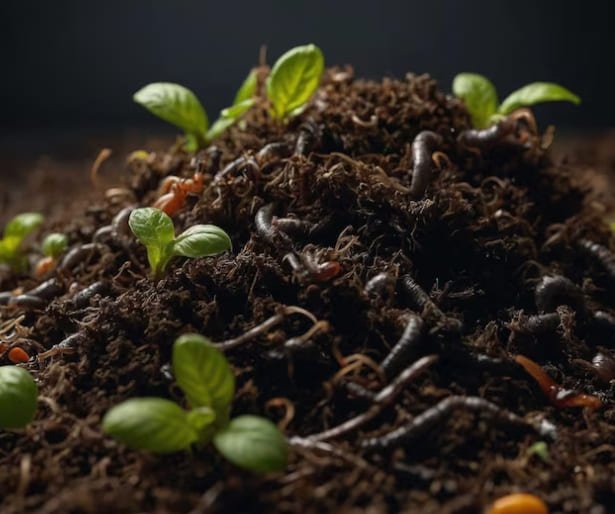
SOIL's franchise model is designed to make vermicompost production a viable rural enterprise. By setting up vermicompost units in villages, we create local employment, reduce waste, and supply high-quality organic inputs to farmers in the surrounding areas. Each franchise unit becomes a hub of organic knowledge and sustainable practice, empowering communities to take charge of their agricultural future.
The economic case for organic farming in India is compelling. Organic produce commands a premium of 20-50% over conventionally grown crops in domestic and export markets. With growing consumer awareness about food safety and health, demand for organic products is surging across Indian cities. This creates a virtuous cycle — higher returns for farmers incentivize more organic adoption, which further strengthens the supply chain.
Policy Support and the Road Ahead
The Indian government has recognized the potential of organic farming through initiatives like Paramparagat Krishi Vikas Yojana (PKVY), Mission Organic Value Chain Development for North Eastern Region (MOVCDNER), and the National Programme for Organic Production (NPOP). These programs provide financial assistance, certification support, and market linkage to organic farmers.
However, the true revolution will happen when organic farming becomes a grassroots movement driven by rural entrepreneurship. When a village youth can start a vermicompost unit, when a farmer's wife can earn from processing organic products, when local self-help groups can manage organic certification — that is when India's sustainable future truly takes root.
At SOIL, we are committed to making this vision a reality. Through our franchise network, training programs, and community partnerships, we are building the infrastructure for India's organic future. We believe that sustainable farming is not just an agricultural strategy — it is a pathway to rural prosperity, environmental restoration, and a healthier nation.

Saakaar Organic India Lakshya Pvt. Ltd.
Transforming Indian agriculture through organic farming, vermicompost enterprise, and rural empowerment — one village at a time.
10 September 2026
Why Organic Farming Is India's Sustainable Future Revolution
05 September 2026
How Vermicompost Creates Rural Opportunities
01 September 2026
Waste To Wealth Through Sustainable Farming